Archive | Interiors RSS feed for this section

Save the Bees – The Great Sunflower Project

It should come as no surprise – I’m a bee lover. I love their beautifully organized beehive homes, team focus and sweet honey creations. I even love honey bee art. So of course, I was very troubled to learned a few years ago that bee populations were declining.
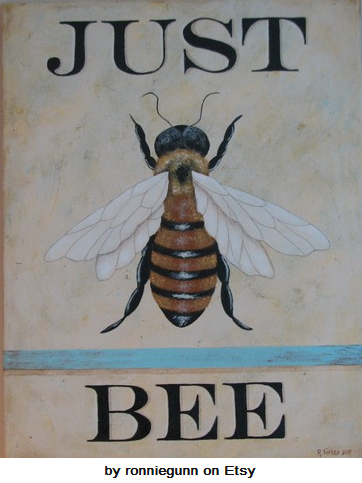
Just Bee Art

Recently, I read a hopeful article in Sunset Magazine (August 2009) called Hive Minds promoting a grassroot effort aimed at learning more about this problem and finding solutions to restore the numbers of pollinators. Founded in 2008 by San Francisco State University associate of biology professor, Gretchen LeBuhn, The Great Sunflower Project distributes free ‘Lemon Queen’ sunflower seeds for people to plant in their yards. After the sunflowers have bloomed, participants are asked to track and report any bee activity. LeBuhn says, “Sunflowers are easy to grow and wildly attractive to bees.”

Why is this important to us all? LeBuhn says it best and puts the problem into perspective –

“Economists and ecologists have started working together to find a way to place a financial value the contribution of natural ecosystems to human existence. The estimates are eye-opening. For example, the value of pollination services from wild pollinators in the U.S. alone is estimated at four to six billion dollars per year. While these ecosystem services are currently produced for “free”, replacing the natural ecosystem would cost many trillions of dollars. Unless human activities are carefully planned and managed, valuable ecosystems will continue to be impaired or destroyed.”

The project has been wildly successful and now has approximately 55,000 participants. The data these volunteers collect will provide valuable insight on determining the root of the problem and how to help reverse it. To “hunt for bees” and join this worthwhile project, visit The Great Sunflower Project.

Also, if you are interested in making your yard more bee-friendly, here are three easy ways from Sunset Magazine

1. Plant diverse bee-friendly flowers and edibles like asters, lavender, strawberries and of course sunflowers.
2. Avoid using too much mulch or pesticides – it discourages native ground-nesting bees and approximately 70 of native bees are ground nesters.
3. Don’t pick those weeds! Weeds such as dandelions and clover provide quality pollen and nectar. Simply pull them after their blossoms are spent. This last one is tough for me! Guess I shouldn’t worry too much about the the clover that has popped up in my yard.
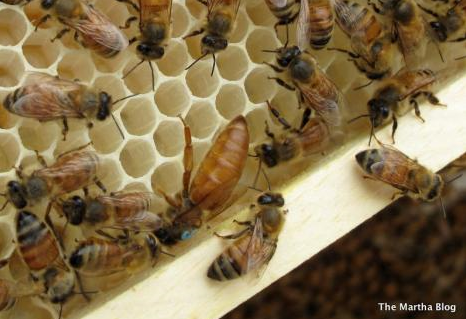

Or you can do what Martha Stewart does and have your own beehives. In June of this year, she blogged about having nearly 12,000 honeybees and one queen delivered to her farm. The incredible photo above is of her lovely queen bee – the large bee with the blue dot. She hired Guy Hodges of Bee Guy Apiaries LLC in South Salem, New York to handle the buzzing project.

Now let’s go help save our favorite pollinating friends. Buzz, buzz, buzz…

*honey bee artwork from Candice H. McDonald on Etsy, Jennifer Lambein on Etsy, and ronniegunn on Etsy, photo by Martha Stewart Blog.
Related Posts Plugin for WordPress, Blogger...
Read full story By on July 29, 2009 in Garden, healthy home, honey bee art

A Summer Walk Through Filoli Gardens

Filoli is an historic site of the National Trust for Historic Preservation and one of the finest remaining country estates of the early 20th century. It is a remarkable 654-acre property, including the 36,000 square foot Georgian country house and spectacular 16-acre English Renaissance garden. The sprawling estate was built for Mr. and Mrs. William Bowers Bourn, prominent San Franciscans whose wealth was made primarily from a gold mine in Grass Valley, California. Mr. Bourn was also owner and president of the Spring Valley Water Company whose property comprised Crystal Springs Lake and the surrounding lands. Filoli was built at the southern end of Crystal Springs Lake located 30 miles south of San Francisco.

The name, Filoli was create by Mr. Bourn by combining the first two letters from the key words of his credo: “Fight for a just cause; Love your fellow man; Live a good life.”


Map image from filoli

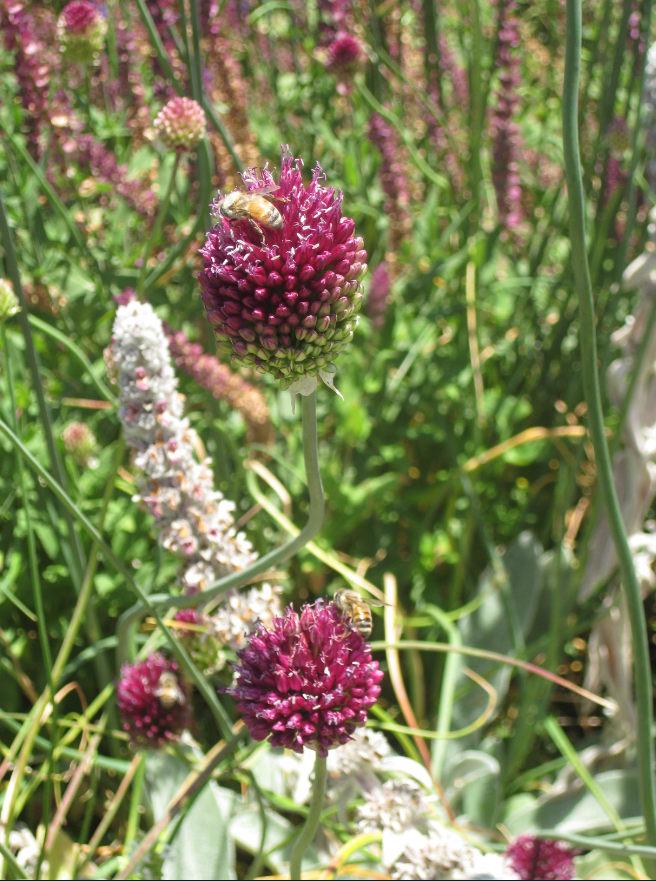
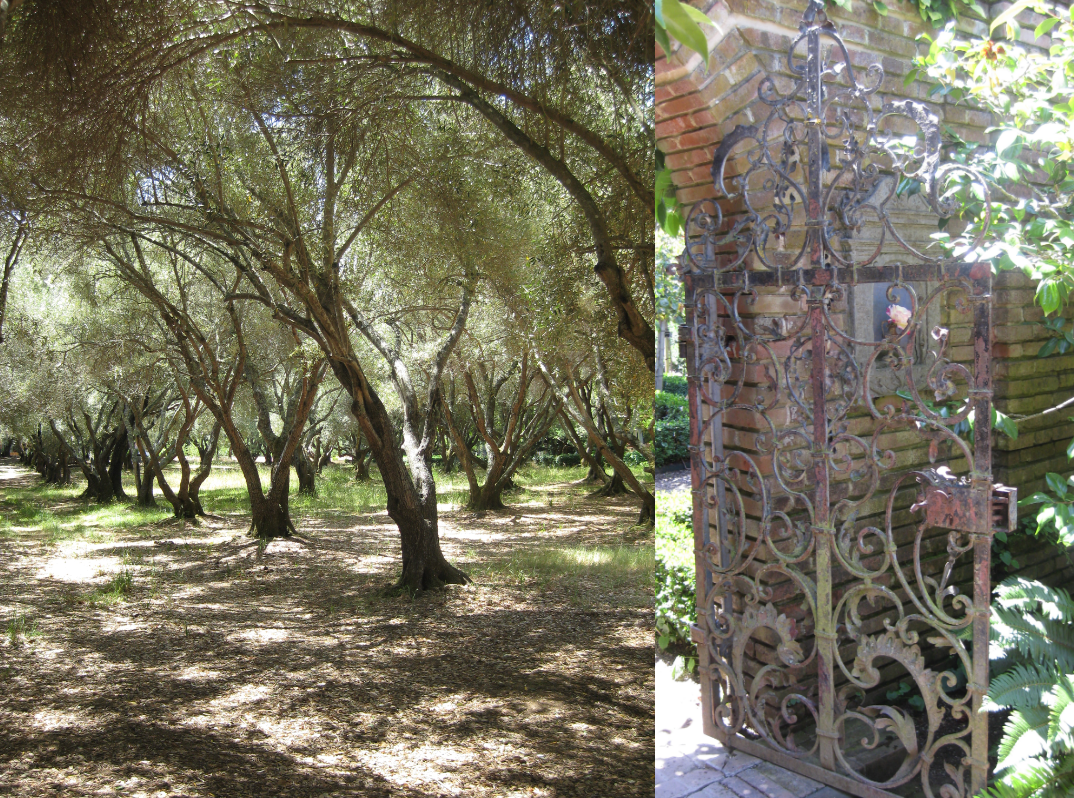
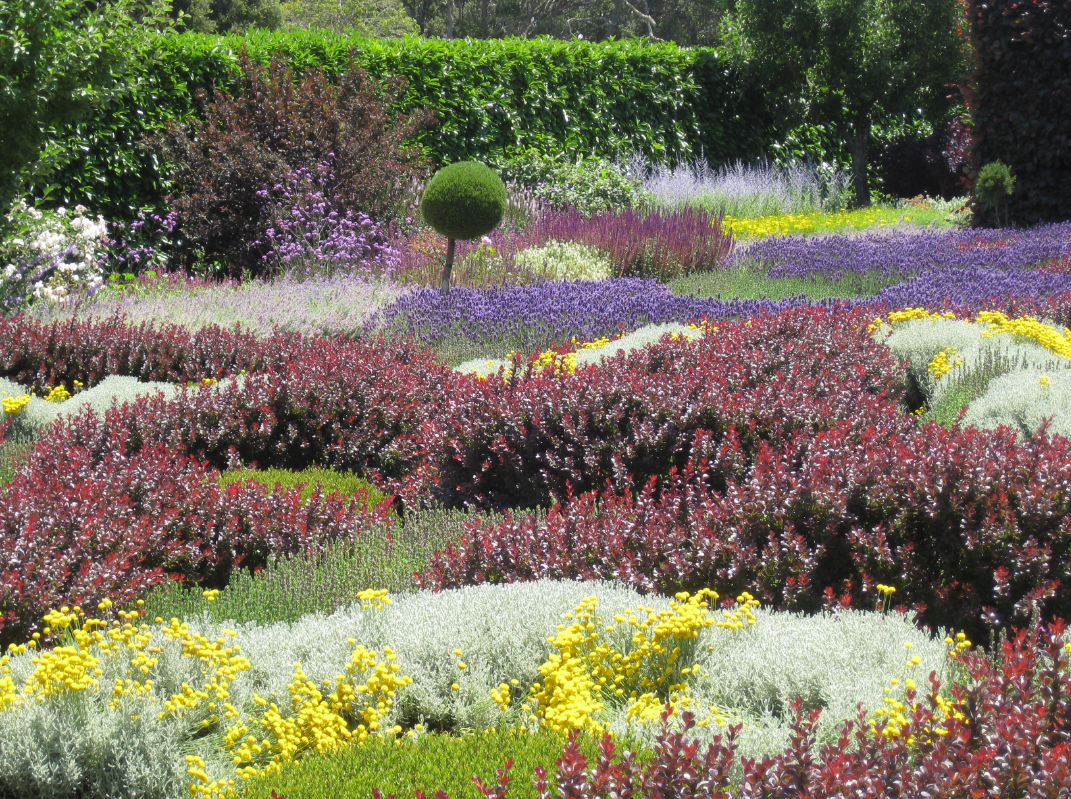
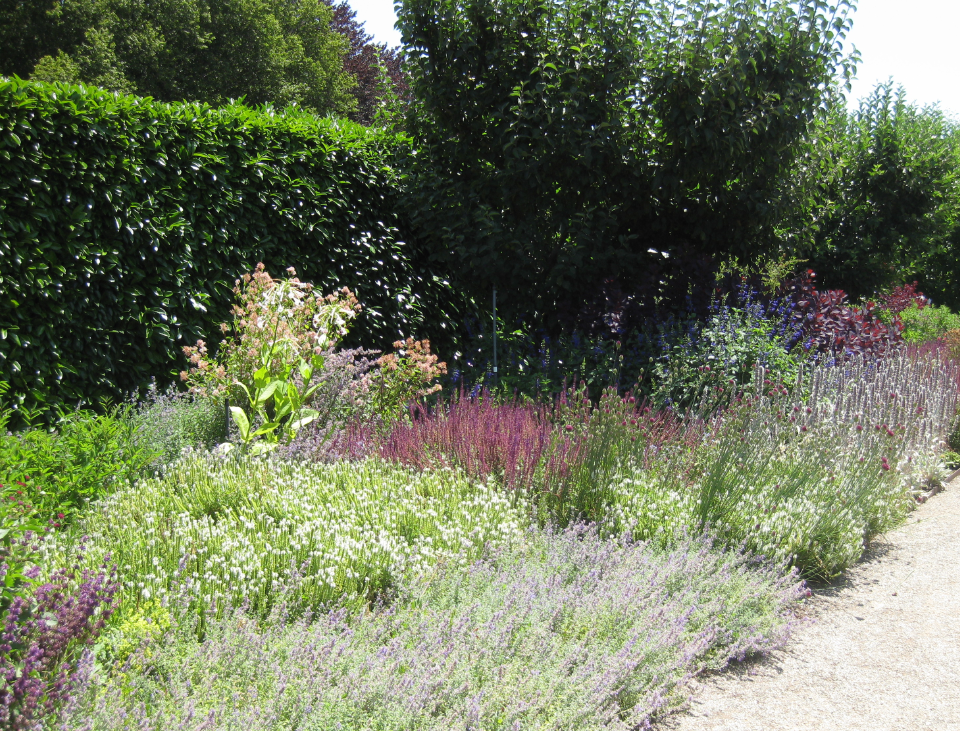
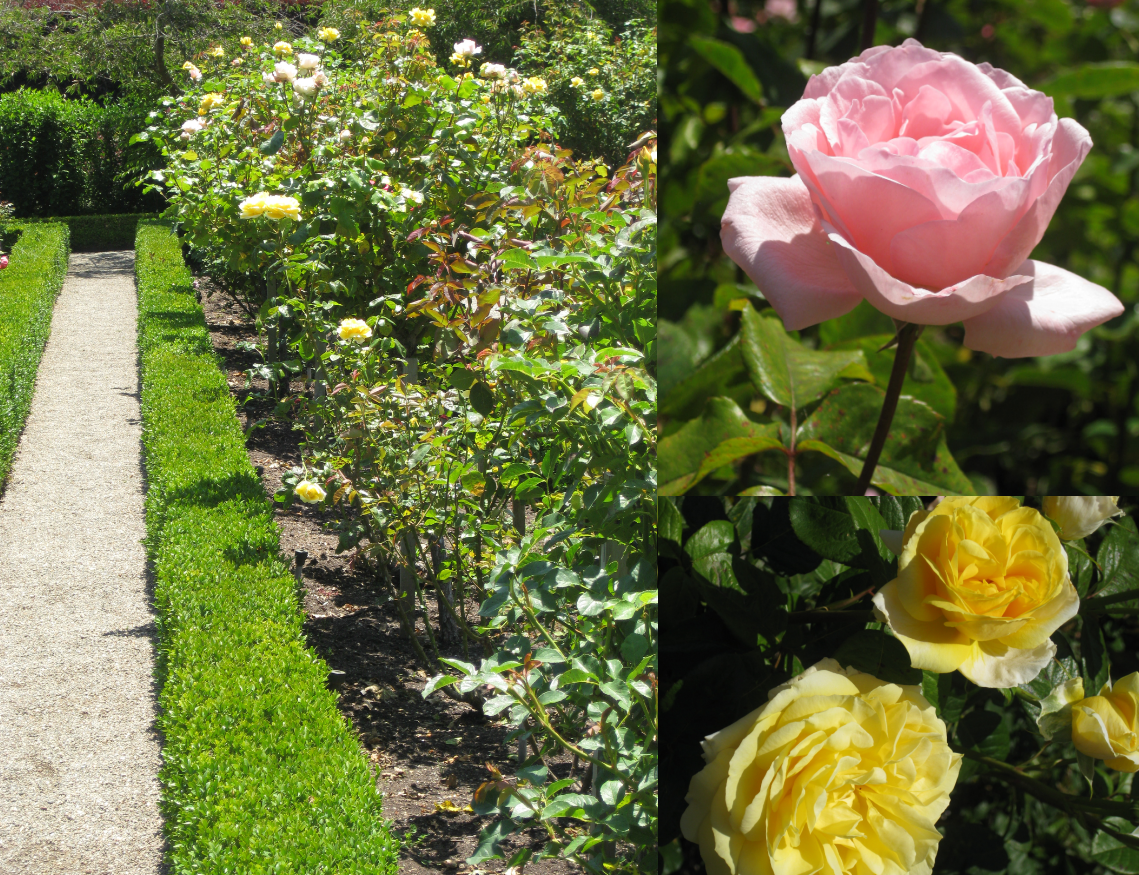
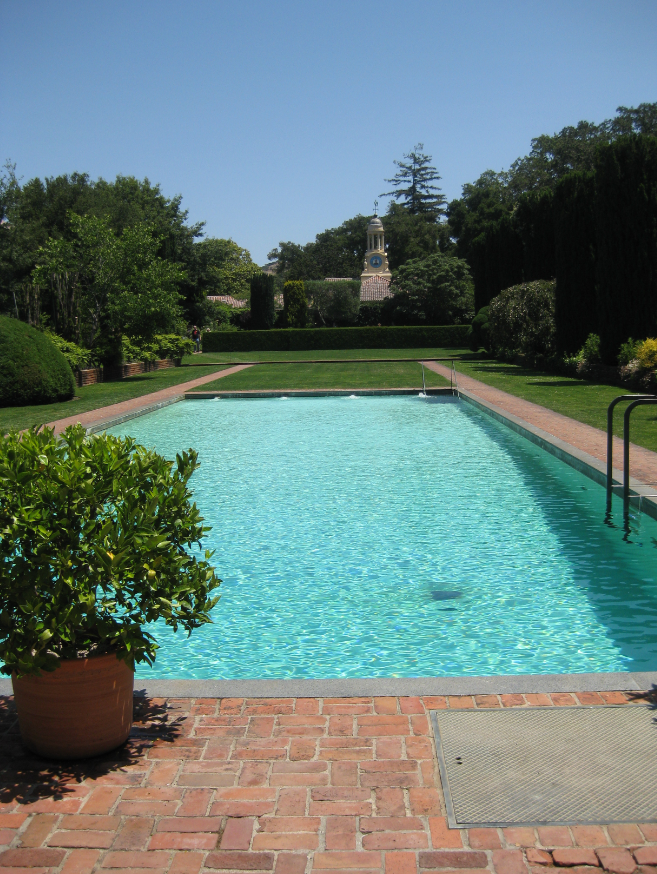
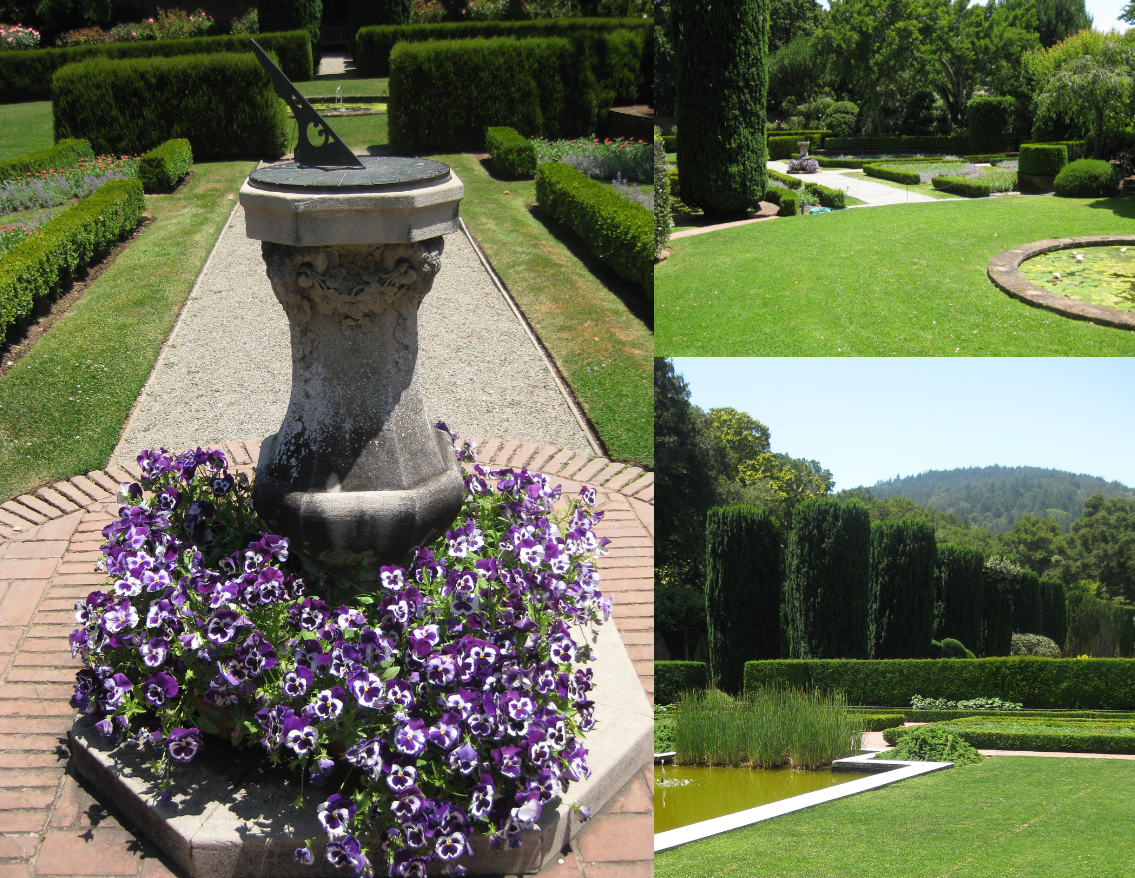
On June 26th, I toured Filoli with my family. Even though I live just down the road, I hadn’t been there in years. Here are some photos I took of the lovely gardens. I am not going to add commentary because frankly I know very little about landscape design and horticulture. And I think the photos speak for themselves. Enjoy!

*All photography from Simplified Bee

Related Posts Plugin for WordPress, Blogger...
Read full story By on July 5, 2009 in container garden, Garden

How Succulent


Water conservation. It’s something folks in the Western United States are talking more and more about. Recently, I read an eye-opening article in Sunset’s June 2009 issue called, Kick the Water Habit. First off, I had no idea that 30 million Westerners get their water from the Colorado River which is down about 110 feet since the year 2000. Secondly, the average American household consumes approximately 13,000 gallons of water monthly and nearly 60 of that is used for watering landscapes. These figures took me by surprise and spurred me to write this post about water-wise succulent container gardening.

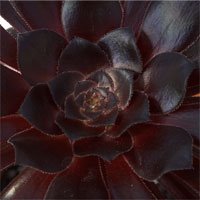
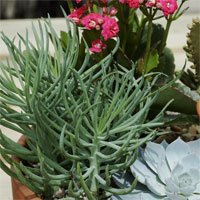
Images from Enjoy Gardening.

Container gardens are certainly popular and very versatile. They can be spotted on urban apartment terraces, suburban porches and along side cottage fences. Succulent containers are not only a great low-water easy-care gardening solution, but add beauty and life to any space. I have several small succulent containers inside and out and love how simple they are to maintain.

My little succulent container garden in the kitchen.

When selecting containers for your garden, consider a variety of coordinating color, sizes, shapes, and materials. Container gardens are supposed to be fun, so don’t over think the design. If you like it, it’s good design. But, there are a couple things to remember when it comes to containers for succulents. It must have holes to allow for proper drainage. Also, succulents don’t require a deep container because they’re rooting is fairly shallow.

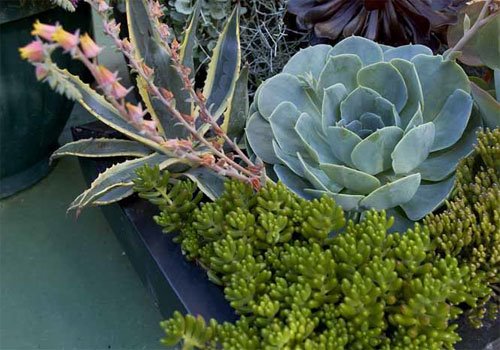
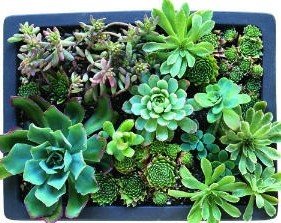
Image from Sunset.

Enjoy Gardening has some great tips on how to plant a succulent in a container:

1. Prepare your container. Succulents have a deep hatred for wet feet, so start with a well-drained, soilless potting mix.
2. Space plants close together. Succulents won’t spread much in one growing season; space plants according to what looks good rather than according to the instructions on the plant tag.
3. Water them in well. A good initial watering is important to get your succulents established. After that, their demands are few—a bit of fertilizer, a hot, sunny spot in your yard and a little water when the potting mix is dry.

Image taken by moi

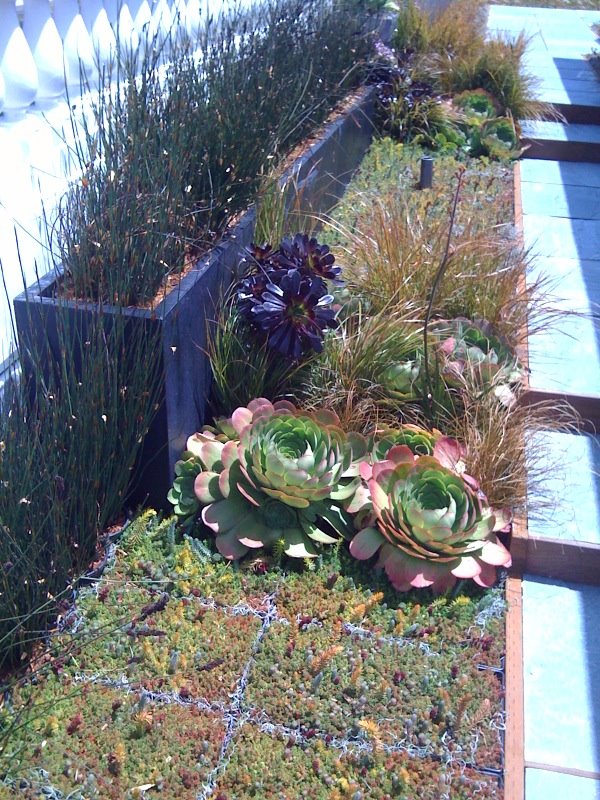
This low maintenance and drought tolerant roof garden at The San Francisco Decorator Showcase 2009 house is stunning. There were several succulent container gardens wrapping around the deck overlooking breathtaking views of the Golden Gate Bridge.

Plant your own beautiful succulent container garden and help reduce your water footprint. Also, check out Sunset for more water saving tips. Every drop counts…

Related Posts Plugin for WordPress, Blogger...
Read full story By on June 10, 2009 in container garden, Garden, healthy home, water saving tips