Archive | green design RSS feed for this section

Keeping Backyard Chickens & Green Roof Coop Design

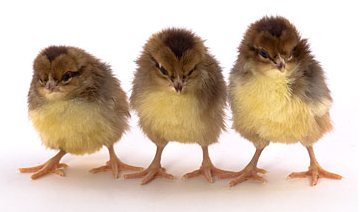
For sometime and long before the recent massive egg recall, I have been toying with the thought of getting pet chickens. That’s right our feathered, egg laying friends. And it seems I am not the only one enthusiast about the idea. Keeping a flock of backyard hens is  stylishly vogue and a growing trend in both suburban and urban communities. 
A friend of mine was kind enough to let me take some pictures of her backyard hen house where her three Rhode Island Reds live, sleep and lay beautiful brown, organic eggs.
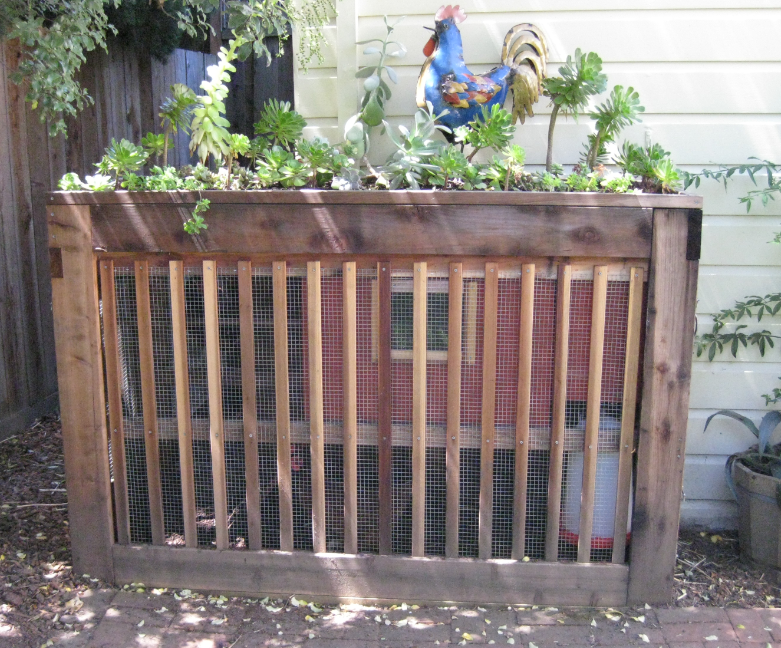
 
The coop provides shelter for the hens {holds up to four} and incorporates a  beautiful green roof design. The garden-on-top design keeps your flock warmer in the winter, cooler in the summer, and even provides sound insulation in rainstorms. Similar coop plans are available to purchase at My Pet Chicken.
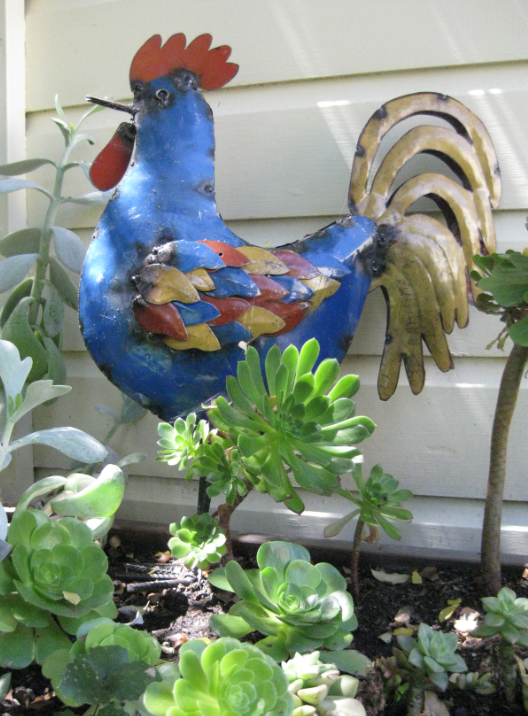
My friend planted drought tolerate succulents in her roof garden, but a veggie garden would be fun if enough sunlight. I love the rooster ornament – many municipalities ban the real ones, but don’t worry hens lay eggs without them. 
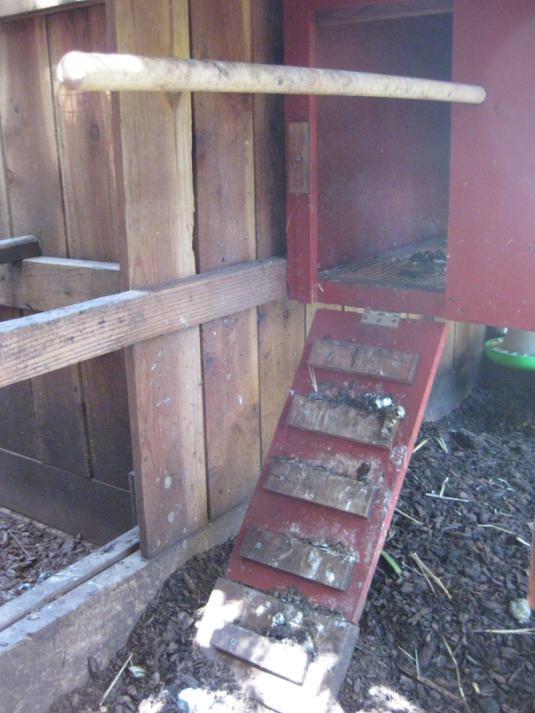
The roosting pole and practical ramp appears to get lots of use. To feel safe, the hens need a raised roosting area that provides at least 2-4 square feet per bird. The hens will get too stressed if overcrowded. Go here for more important chicken coop requirements.
 
 Here is a view of the roosting area and access to the eggs.
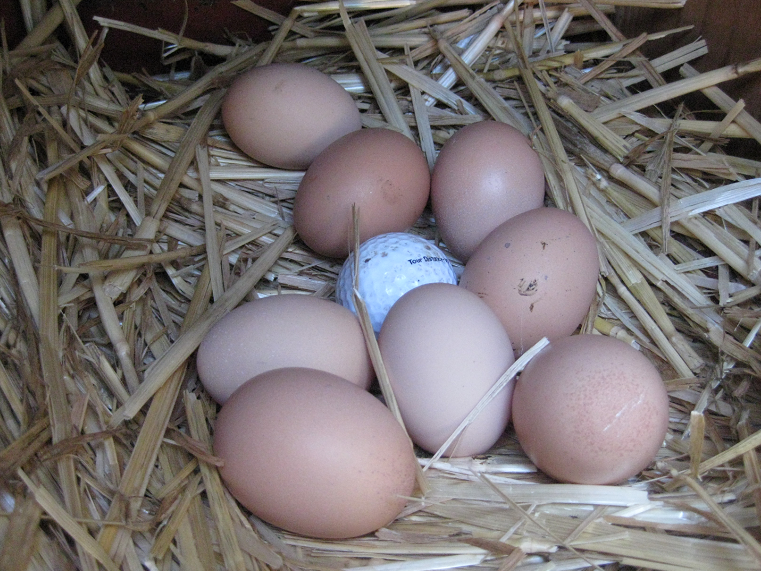
 
I was surprised to learn that some hens can develop an egg-eating habit. To break it, 
fake eggs, usually made of porcelain or plastic replace the real ones as soon as they are laid. In this case, my friend simply used a golf ball and that did the trick.
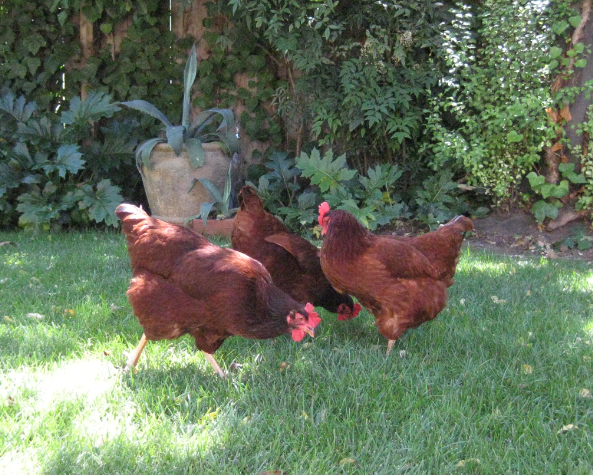
 
Chickens will need free roaming time if a coop does not provide a minimum of 10 square feet per fowl. Although they can be a bit messy, chickens are great foragers and enjoy eating insects, grasses and slugs and snails. Above is a shot of my friend’s hens in action.
 
If you are interested in learning more about raising chickens in an urban environment, please visit the Urban Chickens Network blog
Now, I just need to do two things. First, convince my hubby to build a chicken coop. And second, to decide what kind of chicken to get. Perhaps a brown egg layer like the Rhode Island Red, Delaware or Speckled Sussex? Do you have chickens? What would you recommend?
Related Posts Plugin for WordPress, Blogger...
Read full story By on August 30, 2010 in food, Garden, green design

Getting Organized for Back-to-School

It’s that time again. Millions of children are headed back-to-school. There is a direct relationship between how organized a child is and how well they do in school. As a parent or guardian, you can help children develop life-long organization skills. Here are a few back-to-school tips for getting organized:
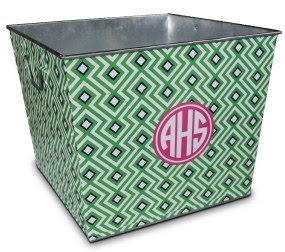
Establish a Routine & Plan Ahead. Streamlining the morning routine is essential to get kids out the door and to school on time. It’s easy to get frazzled in the morning, so prepare lunches, book bags, outfits, even the breakfast table the night before. Create a storage area near your most used door and assign each person a bin and/or hook for their gear. Using color coded baskets or personalized tins {like the one above from the MacBeth Collection} helps for organization and quick identification when leaving the house.
Create a Homework Station. Few children enjoy doing homework, but making creating an efficient work environment may make the task more fun. First determine where it’s best to set up the homework station – Near the kitchen where an adult can help? In a quiet room alone? Is a computer needed? Once a location is selected, it is important to have an easy accessible storage bin or drawer with needed school supplies. Based on your child’s age and school needs store items such as writing implements, paper, tape/glue, scissors, ruler, erasers, crayons and markers. When purchasing school supplies, consider earth-friendly and non-toxic items. Visit EWG’s back-to-school guide for a list of greener options. Pottery Barn Kids has a great Mini Lazy Susan perfect for a storing supplies at the homework station {shown above}.
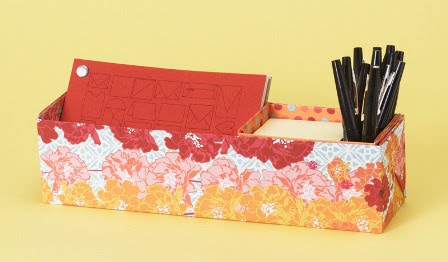
Paper Source also shows you how to make a customized desk cubbie here {also pictured above}. Get your child excited about their homework station by having them help designing their own supply storage cubbie.
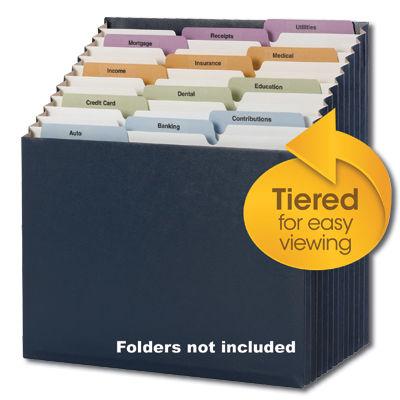
Centralize School Communications. Besides your child’s school papers, there will be lots of communication parents will need to take action on or reference throughout the school year. Some of these items include classroom rosters, school handbook, supply list, permission slips and school calendar. Creating a centralized place for all this information is key to knowing where these important papers are when you need them. A binder or file folder are great options for keeping all the papers organized into subcategories. Smead offers an easy to use tiered folder – Smead Stadium File™ – that works great in my home {blogged about it here}.
Getting organized for back-to-school takes some effort, but it will make the transition smoother.
Happy organizing!
Related Posts Plugin for WordPress, Blogger...
Read full story By on August 16, 2010 in baby and children, back-to-school, green design, home organization, organization tips

Custom Eco-Friendly Fabric Printing – Spoonflower

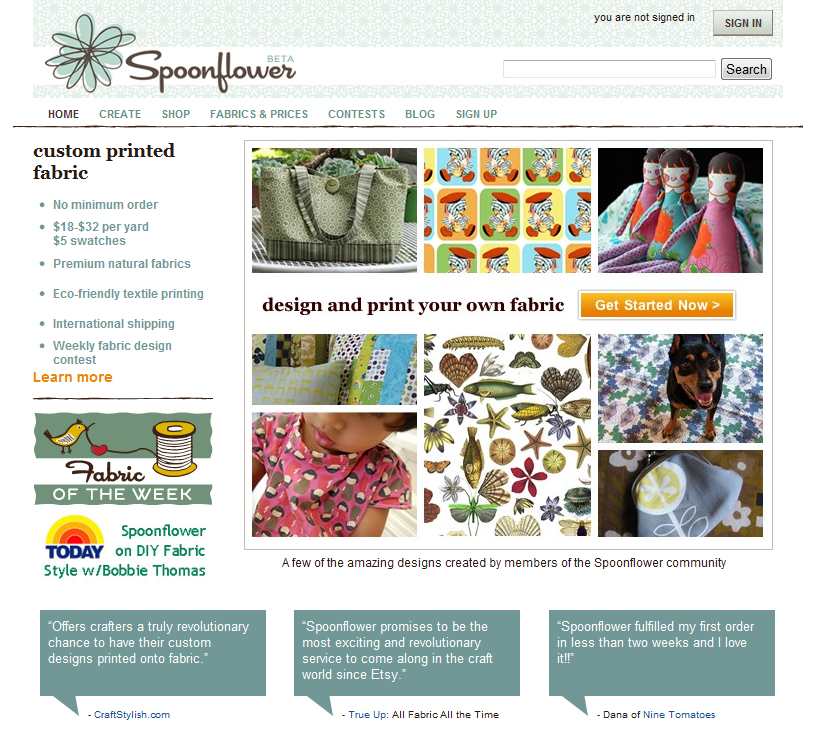
Okay, I might be late to the party, but I recently came across Spoonflower , an amazing print  on demand textile marketplace and community. Founded in 2008, the North Carolina-based company makes it possible for individuals to design, print and sell their own fabric designs. Since then , the  Spoonflower community has exploded to 70,000+  crafty individuals who use their own fabric to create all sorts of items including clothing, artwork and home accessories. The  Spoonflower marketplace now offers the largest collection of independent fabric designers in the world!
The selection and quality of fabrics is impressive! Spoonflower uses large-format inkjet printers specially modified to run fabric. Unlike conventional textile manufacturing, digital printing entails very little waste of fabric, ink, water or electricity. In addition, they print using eco-friendly, water-based pigment inks on natural fiber textiles. No additional chemicals are used in the printing or preparation process. Clients can order a swatch of fabric or 100 yards of a single design. The fabric is shipped within a week. 
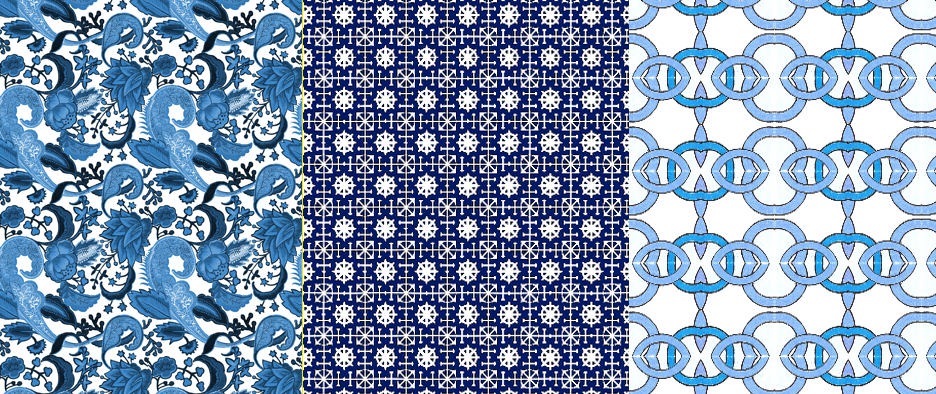
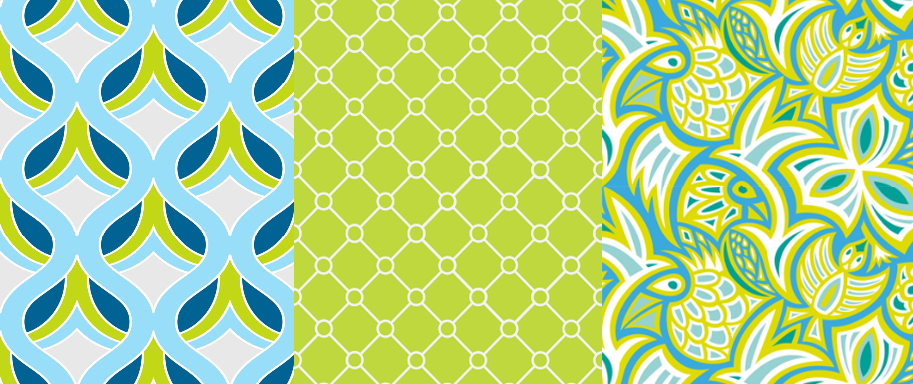
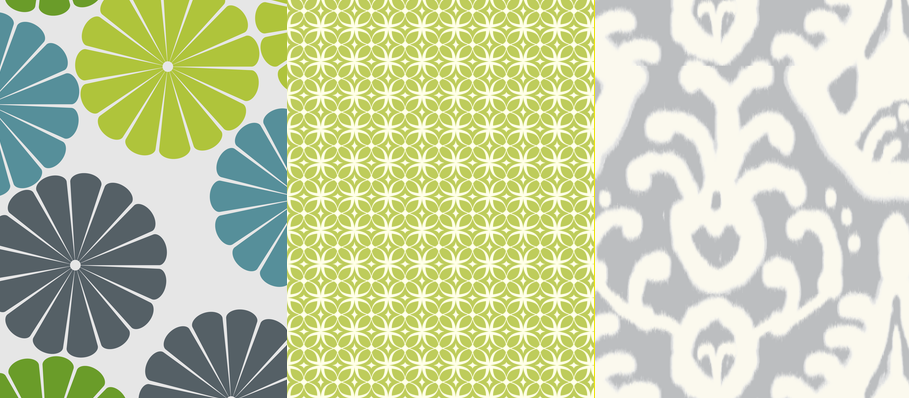
Here are some beautiful textiles made and available on Spoonflower that caught my eye:
 
 
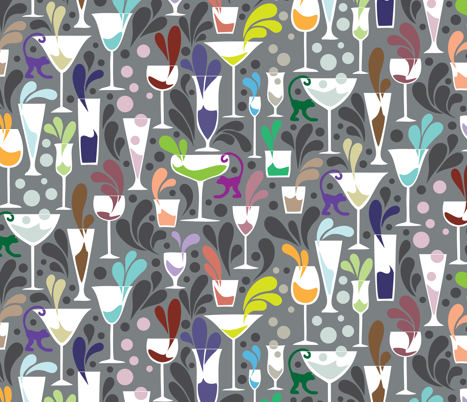
Be sure to check out Spoonflower’s weekly contents too. Here is the latest winning fabric design:
Love the whimsical splashing drinks and colorful cocktail monkeys hanging from the martini glasses.  
Cheers!
Related Posts Plugin for WordPress, Blogger...
Read full story By on May 17, 2010 in green design, healthy home, interior design, upholstery

Top Ten Eco-Friendly Home Decor Finds & LED Lamp Giveaway

To celebrate Earth Day’s 40th birthday {April 22, 2010}, here are ten great eco-friendly home decor finds. Who says our homes can’t be stylishly beautiful, sustainable and responsible all at the same time?Philips is also giving away one of their LivingColor LED lamps to one lucky Simplified Bee reader. Details on how to enter and the bottom of this post.

One – Since 1969 it has been Lee Industries’ mission to create stylish, high quality home furnishings that are eco-friendly. Lee manufactures earth-friendly furniture products, like this sofa using sustainable processes and bio-based upholstery.

Two – Amy Butler’s fresh, bright and modern bedding line and best of all its 100 Organic. Butler’s bedding collections include 400 thread count sheets, elegant embroidery and low-impact dye prints that hold their color.

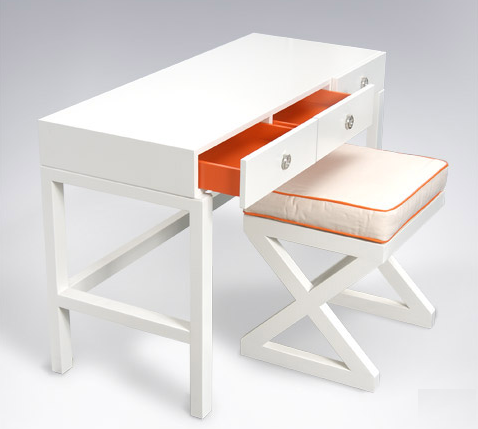
Three – This chic Cabana Desk and Desk Stool by ducduc are both made from sustainably harvested hardwoods, and water based, non-toxic finishes. I love that the furniture in all manufactured in ducduc’s factory in Connecticut.

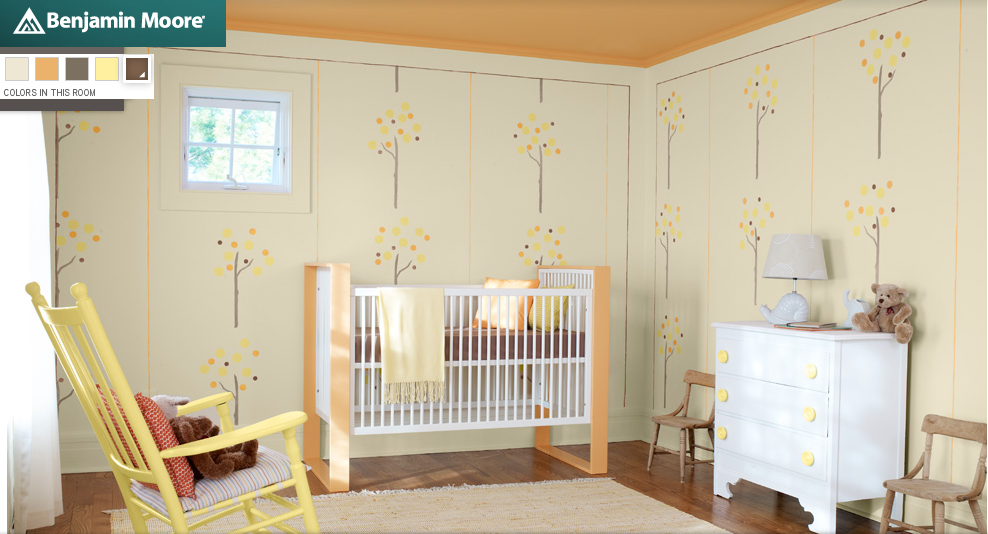
Four – Virtually odorless Natura paint by Benjamin Moore is one of the greenest paint available on the market. I love it because it is virtually odorless, zero VOC emissions and best yet is available in any color selection.

The walls is this darling eco-friendly nursery {above} were designed by Shannon Kaye. Using a soft yellow {Opaline OC-33} as the base, Kaye adds visual interest with a modern tree stencil in Carob AF-160, August Morning 2156-40, Fairview Taupe HC-85 and Sundance 2022-50. An old rocking chair and dresser look new again in Sundance. The ceiling in August Morning orange is bright and cheery.

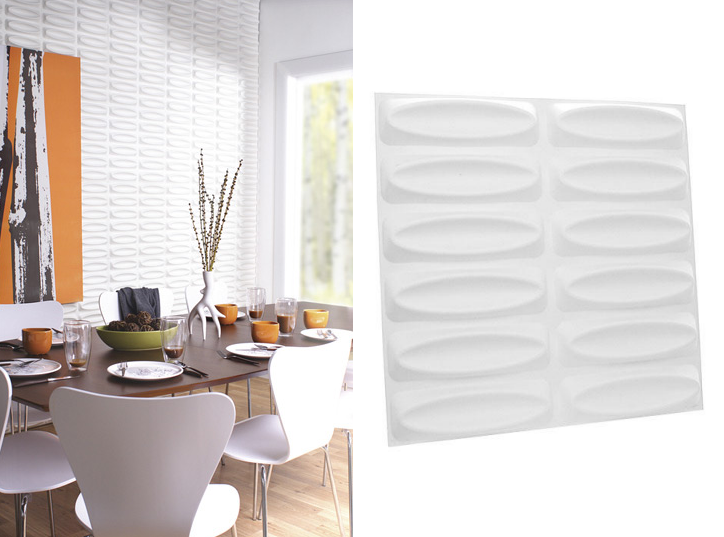
Five – These simple, modern and versatile Wall Tiles are made from 100 bamboo pulp {a renewable resource}. This embossed three-dimensional wallcovering is also free of chemicals and are 100 bio-degradable. Available at Inhabit.

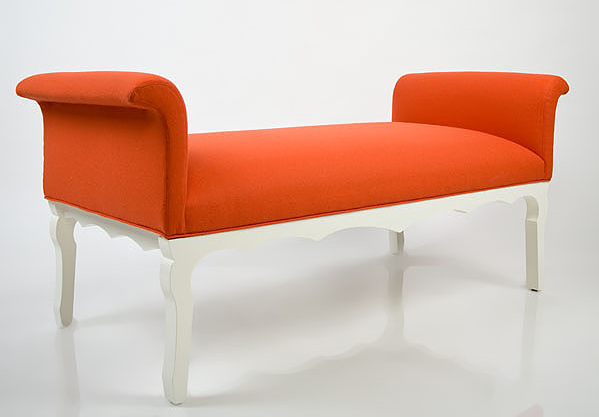
Six – The Cyrilla Daybed by Pure is one of my favorites. Pure’s uses materials that are biodegradable, sustainable and have non-emitting finishes.

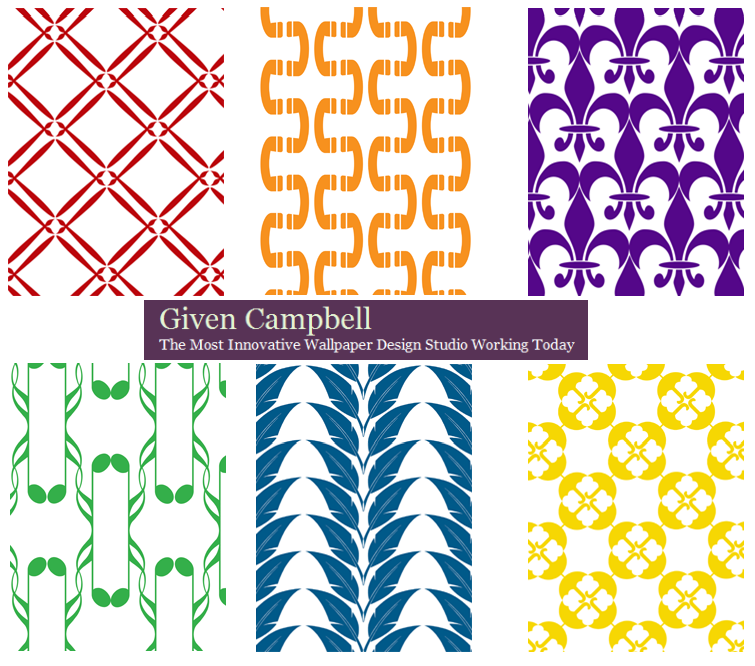
Seven – With a trademark design style and eco-friendly printing practices wallpaper by Given Campbell is a cut above the rest. The Divine Collection {sampling above} is based on different patron saints and was designed with the hopes of inspiring you to hang it in unexpected places.

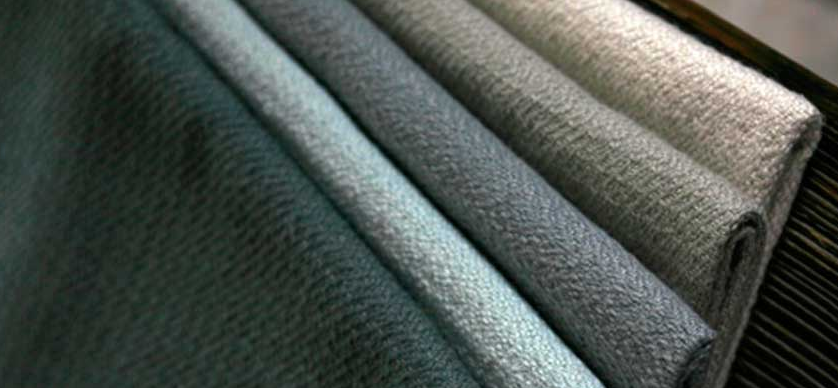
Eight – Luxurious upholstery fabrics by O Ecotextiles are produced in non-toxic, ethical and sustainable ways. Opulent, yet organic – love it!

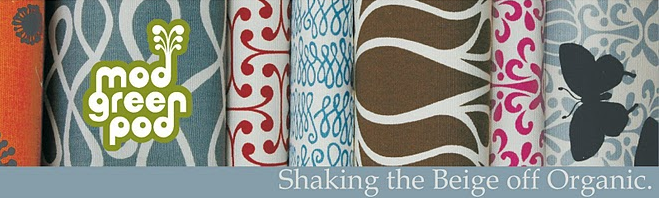
Nine- Mod Green Pod’s stylish and colorful fabrics are printed on 100 certified organic cotton grown in the United States. By weaving and printing their product line completely in the United States they also reduce energy expenditures on shipping. Mod Green Pod uses non-toxic, low-impact printing pigments and dyes give our fabrics rich, saturated color. In addition their textiles do not contain any dangerous chemicals such as formaldehyde (wrinkle-free agents), PBDEs (flame retardents) or PFOA (i.e. Teflon/Scotchgard) off-gassing into your home.

Ten – LEDs. This LED edison bulb is up to 90 more energy efficient than an incandescent bulb and can last up to 100,000 hours, over ten years, reducing cost and conserving energy. These bulbs do not heat up or emit mercury and offer colorfast, stable decorative lighting for accents and ambience.

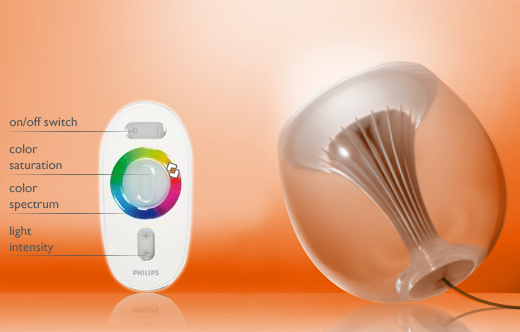
Leveraging LED technology, the Philips LivingColor floor lamp is small, chic and modern. With four LEDs, it casts light onto any wall or room creating instant mood, ambience and color. It comes with a really easy to use cute little remote that controls the color and saturation giving you 16 million different choices of color. The folks at Philips sent one to me to test out and now I’m addicted {so are my kids}! Philips would like you to have one too. Here is how to win one for yourself:

*Leave a comment (sorry, US residents only).
*Extra entry – Follow Simplified Bee™ Blog (by adding yourself to the follower group on the sidebar) or follow Simplified Bee on Twitterhttps://twitter.com/simplifiedbee.
* Extra entry – mention this giveaway in a post or tweet and leave a comment letting me know you’ve done so.
* Please post a separate comment for each extra entry.
* Entry period closes at midnight PST, Thursday, April 22, 2010 and the winner will be announced Monday, April 26, 2010.
*The winner will be drawn randomly using Random.org, notified directly via email and listed back at this post using first name only.

“Start by doing what is necessary, then what is possible, and suddenly you are doing the impossible.” – St. Francis of Assisi

Related Posts Plugin for WordPress, Blogger...
Read full story By on April 15, 2010 in furniture, Giveaways, green design, healthy home, interior design